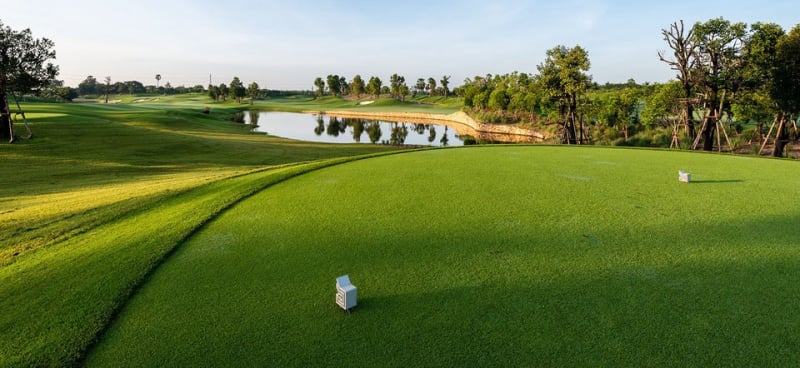
Idaho’s Natural Beauty Sets the Stage for Golf
Idaho is often regarded as one of the most beautiful states in the U.S. Its landscapes are vast and varied, ranging from the rugged mountains to expansive meadows and serene lakes. When it comes to golf courses, nature is not just a background element—it’s an integral part of the game. The natural beauty of Idaho provides a unique context that heightens the experience of playing golf. The state’s expansive wilderness and pristine lakes create a serene and inspiring atmosphere for golfers to enjoy.
Golf courses like Osprey Meadows at Tamarack Resort are set against the stunning backdrop of the West Central Mountains, with panoramic views of Lake Cascade. Such views not only add to the appeal of the game but also contribute to a sense of peace and relaxation, making Idaho a top destination for golfers looking to immerse themselves in nature. As you play through meadows, wetlands, and towering pines, the sights and sounds of nature enhance the overall experience, creating a memorable round.
The Role of Terrain: Elevation and Natural Features
The terrain of a golf course plays a crucial role in shaping the difficulty of the game. Idaho’s courses are often situated in diverse elevations, which introduces an added element of challenge to the game. Take, for instance, Osprey Meadows, which sits at an elevation of approximately 4,850 feet. This height alters the dynamics of the game in several ways. Higher elevations lead to thinner air, which causes the golf ball to travel farther. This not only changes the way golfers approach their shots but also adds a new layer of complexity for players who are not accustomed to playing in such conditions.
The natural features of the landscape are another factor that influences the design and difficulty of Idaho golf courses. Many of Idaho’s courses incorporate the natural topography, with water features like lakes, rivers, and wetlands often coming into play. At the same time, the towering trees, rugged hills, and uneven terrain present golfers with both strategic opportunities and challenges. The incorporation of these elements forces players to adapt their strategy and consider how the environment influences each shot, whether it’s using the wind to carry the ball further or navigating a tricky water hazard.
How Nature Enhances the Golfing Experience
Golf is a mental game as much as it is a physical one. A golfer’s ability to focus and remain calm under pressure can make the difference between a birdie and a bogey. Nature plays a significant role in enhancing the psychological aspect of the game. The stunning landscapes of Idaho golf courses encourage a sense of mindfulness and relaxation. Players are often so captivated by the beauty of the surroundings that they may find it easier to focus on the game and enjoy the process rather than just the outcome. The peaceful atmosphere, along with the fresh mountain air, can calm nerves, helping golfers stay in the zone as they navigate the course.
Moreover, the natural environment contributes to the unique challenges presented by each course. Golfers are forced to engage not only with the layout and hazards of the course but with the environment itself. The wind, temperature, and altitude can vary greatly from hole to hole, and players must adapt their techniques and mindset accordingly. The natural elements work together to create a dynamic experience that evolves as the game progresses. For example, a golfer may have to adjust their stance or club choice when playing in mountainous areas to account for the wind or the slope of the fairway. These adjustments make the game more stimulating and rewarding, as players learn to read the natural cues and adapt their strategy accordingly.
Idaho Golf Courses Showcase Ecological Diversity
One of the most remarkable features of Idaho’s golf courses is the state’s ecological diversity. Idaho is home to a wide range of ecosystems, from alpine forests to desert landscapes, and this is reflected in the variety of golf courses scattered across the state. Courses located near rivers and lakes, such as the Coeur d’Alene Resort Golf Course, offer a more serene, water-dominated experience, while those in mountainous regions, like Tamarack Resort, challenge golfers with varying elevation changes and rocky terrain. Each of these ecosystems brings its own set of characteristics to the golfing experience.
For example, courses set in the foothills of the Rocky Mountains offer dramatic elevation changes, with sloping fairways that require precise shot-making. Meanwhile, courses near Idaho’s many rivers and lakes require golfers to contend with water hazards that are often both beautiful and dangerous. The ecological diversity found in Idaho's courses encourages golfers to hone a variety of skills, from navigating tricky water features to mastering the art of distance control in thin mountain air.
The Importance of Sustainable Golf Course Design
In recent years, there has been a growing emphasis on sustainability and environmental responsibility in golf course design. Many Idaho golf courses, including those at Tamarack Resort, have embraced eco-friendly practices that preserve the natural beauty of the landscape. From water conservation efforts to the use of native plants and grasses, these courses are designed to minimize environmental impact while enhancing the golfing experience. By preserving the natural ecosystems, these courses allow future generations to enjoy the beauty of Idaho’s landscapes while continuing to provide world-class golfing opportunities.
Sustainable golf course design also helps golfers engage with nature in a more meaningful way. The integration of the local flora and fauna into the course layout creates a more harmonious and immersive experience, allowing golfers to feel connected to the land they are playing on. The use of natural elements like wetlands, trees, and grasses enhances the visual appeal of the course, while at the same time providing valuable habitat for local wildlife. The result is a course that is both visually stunning and ecologically responsible.